



THEK Intelligence Report
July 15, 2026
ES | EN

THEK Intelligence Report

Daily Science Edition

Today's Science

Most Relevant Today

THEK Perspectives & Questions

Planetary Monitor · Live

CMEs last 7 days29events
Earthquakes today193events
Largest earthquakeM 6.2last 24 h

Full Reading

The Amazing Walking Shark: A Lesson in Life and Responsibility

The Amazing Walking Shark: A Lesson in Life and Responsibility

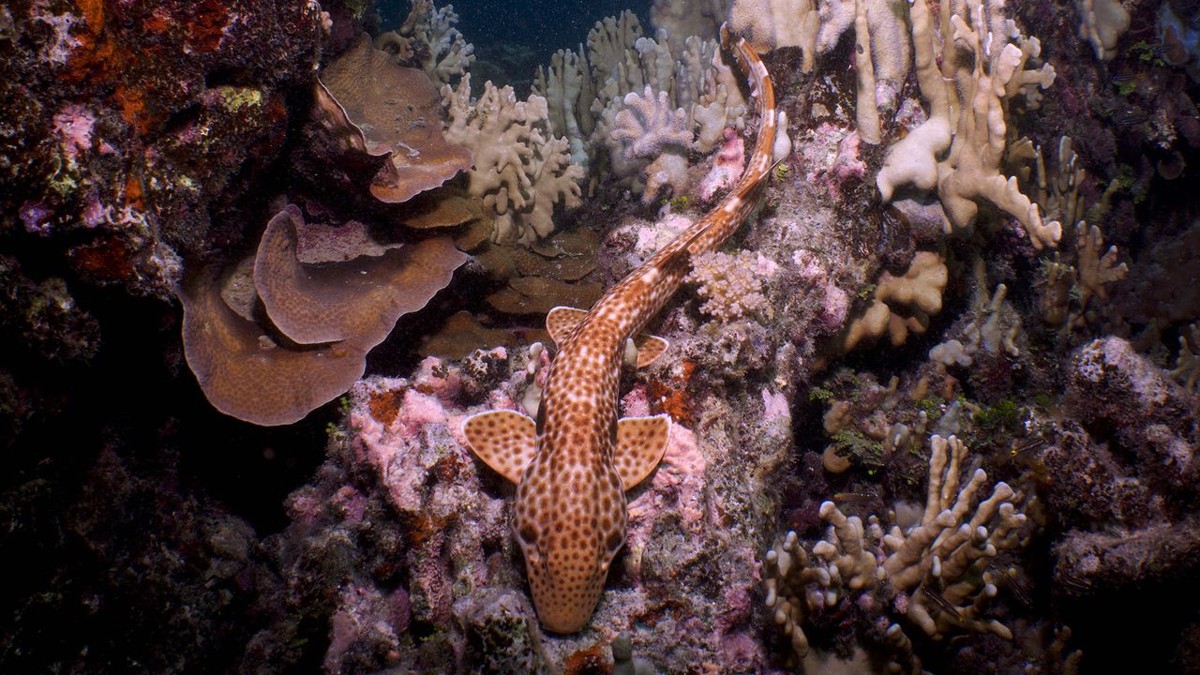
A fascinating truth has emerged from the shallow waters of Papua New Guinea: the discovery of a new species, Dudgeon's walking shark (Hemiscyllium dudgeonae). This finding, a result of rigorous research by Christine Dudgeon and Jess Blakeway, comparing body patterns and genetic data, adds a tenth jewel to the family of 'walking' carpet sharks.

This peculiar movement is not mere curiosity; it is a vital adaptation. The ability of these sharks to use their fins to move across shallow reefs is essential for hunting and surviving in low-oxygen environments during low tide. It reminds us of life's immense capacity for adaptation, and how each species reveals the profound intelligence of nature.

However, this discovery brings forth a crucial lesson. With a limited range, H. dudgeonae is vulnerable to habitat degradation and climate change. This underscores the urgency of protecting still-hidden biodiversity, a fundamental benefit for education and our understanding of the planet. Science grants us knowledge; the responsibility for its preservation is our legacy.

Source: External Scientific Source

Rocket Lab: Between Electron's Light and Neutron's Test

Rocket Lab: Between Electron's Light and Neutron's Test

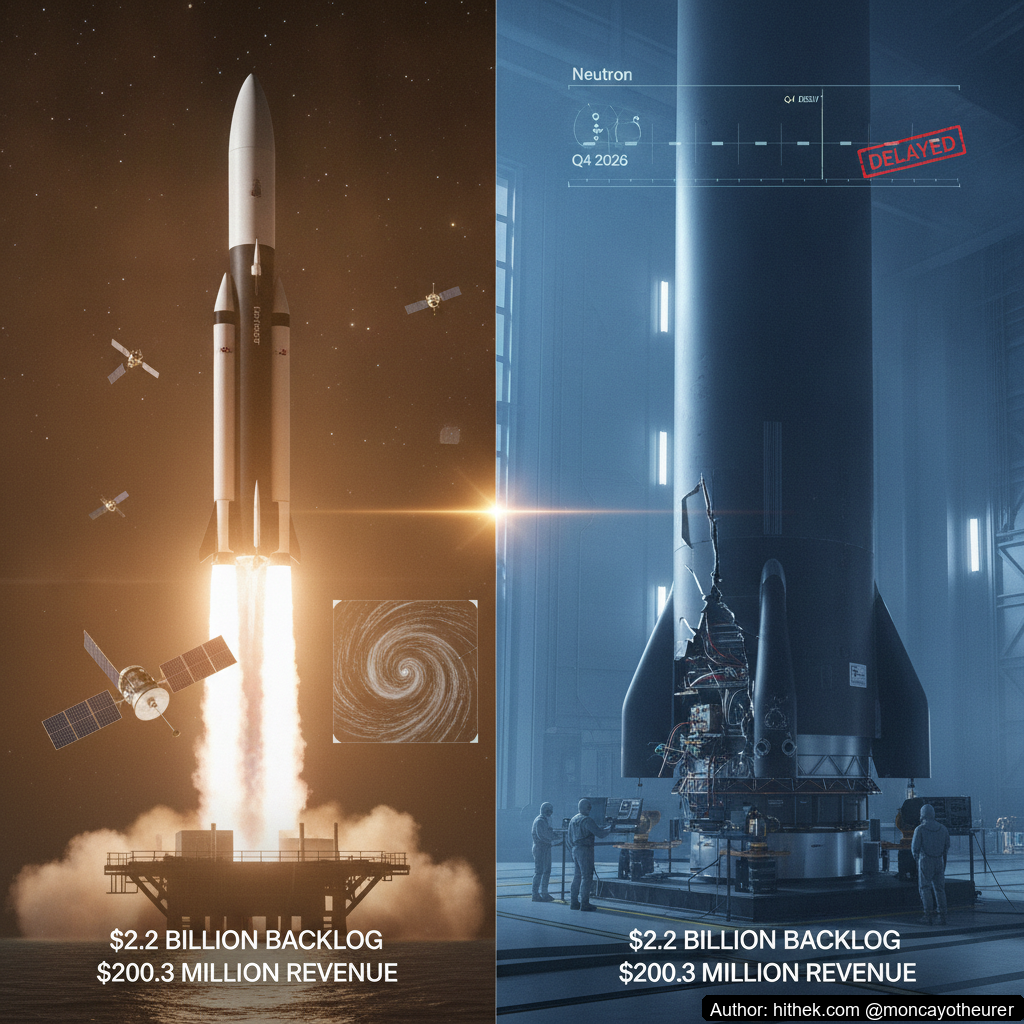
The first half of 2026 has presented a dual reflection for Rocket Lab, showcasing the extraordinary pace of its Electron rocket and the inherent challenges in developing its promising Neutron. Electron's launch contracts soared, culminating in a $2.2 billion backlog, with revenues of $200.3 million in the first quarter alone—a historic milestone.

Electron's success is more than a mere statistic; it is an infrastructure driving Earth observation with missions for companies like BlackSky and NASA, advancing fundamental science that enhances our understanding of the climate and our planet. Agreements with Anduril Industries for HASTE flights demonstrate the growing demand in security and technology.

Yet, Neutron faces its own learning curve. Its debut, anticipated for the fourth quarter of 2026, was delayed after a tank failure during a hydrostatic pressure test. This incident, while a technical setback, underscores the discipline demanded by aerospace engineering.

The history of space innovation is replete with such trials. Rocket Lab, led by Peter Beck, navigates this complexity with a solid backlog and strong liquidity, transforming every obstacle into a crucial lesson. In this balance between proven success and perseverance through challenges, lies the true resilience that allows us to continue reaching for the stars.

Source: External Scientific Source

The Whisper of Silent Stars

The Whisper of Silent Stars

The universe, in its vast complexity, challenges us to reinterpret what we think we understand. After decades of fruitless observation, the silence in supernova remnants has revealed a faint whisper. Researchers detected weak radio waves from 1E 1207.4-5209, a Compact Central Object (CCO) in our Milky Way, now dubbed the Blue Eye Pulsar.

Neutron stars, born from a supernova, typically emit radio waves as a pulsar. However, some CCOs remained silent. The Blue Eye Pulsar, detected by MeerKAT, pulses every 424 milliseconds. It is postulated that a 2015 spin glitch may have reoriented or strengthened its magnetic field, allowing this subtle cosmic beacon to reveal itself.

This transcendent discovery redefines our knowledge of the galactic pulsar population. It suggests that many, even young ones, might emit subtly, solving the enigma of supernovae like 1987A in the Large Magellanic Cloud, which have yet to reveal their neutron star. It is a lesson in persistent observation, the power of technology, and the profound beauty hidden beyond our initial perception of the universe.

Source: External Scientific Source

The Deep Ocean's Nutritional Secret: A New Look at the Carbon Cycle

The Deep Ocean's Nutritional Secret: A New Look at the Carbon Cycle

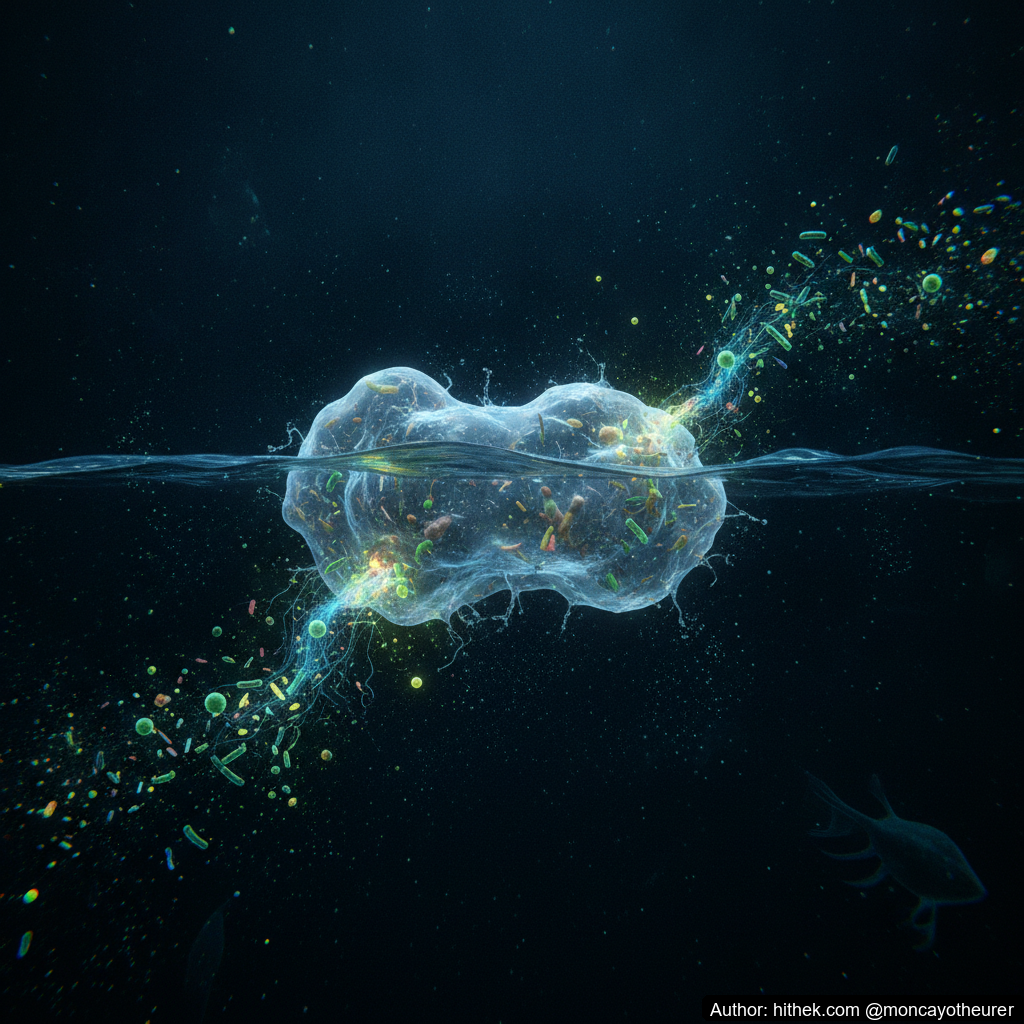
The deep ocean, that vast realm of silence and darkness, has revealed a surprising food source that redefines our understanding of marine life and Earth's systems. Danish researchers have discovered that marine snow—those minuscule aggregates of sinking organic matter—are a dynamic pantry.

The immense hydrostatic pressure of the deep acts as a gigantic natural juicer, releasing up to half of its dissolved carbon and significant nitrogen. These nutrients are immediately absorbed by surrounding microbes, which proliferate, transforming what was thought to be a nutritional desert into a vibrant ecosystem.

This knowledge is crucial. If carbon dissolves before reaching ocean sediments, where it is stored for millions of years, its fate is different. It remains suspended in deep waters for centuries, directly affecting climate models and the ability to forecast global climate and carbon regulation. This research compels us to recalibrate our understanding of Earth's systems, strengthening our responsibility in climate management and education.

Source: External Scientific Source

Advances in Seismic Prediction with AI

Advances in Seismic Prediction with AI

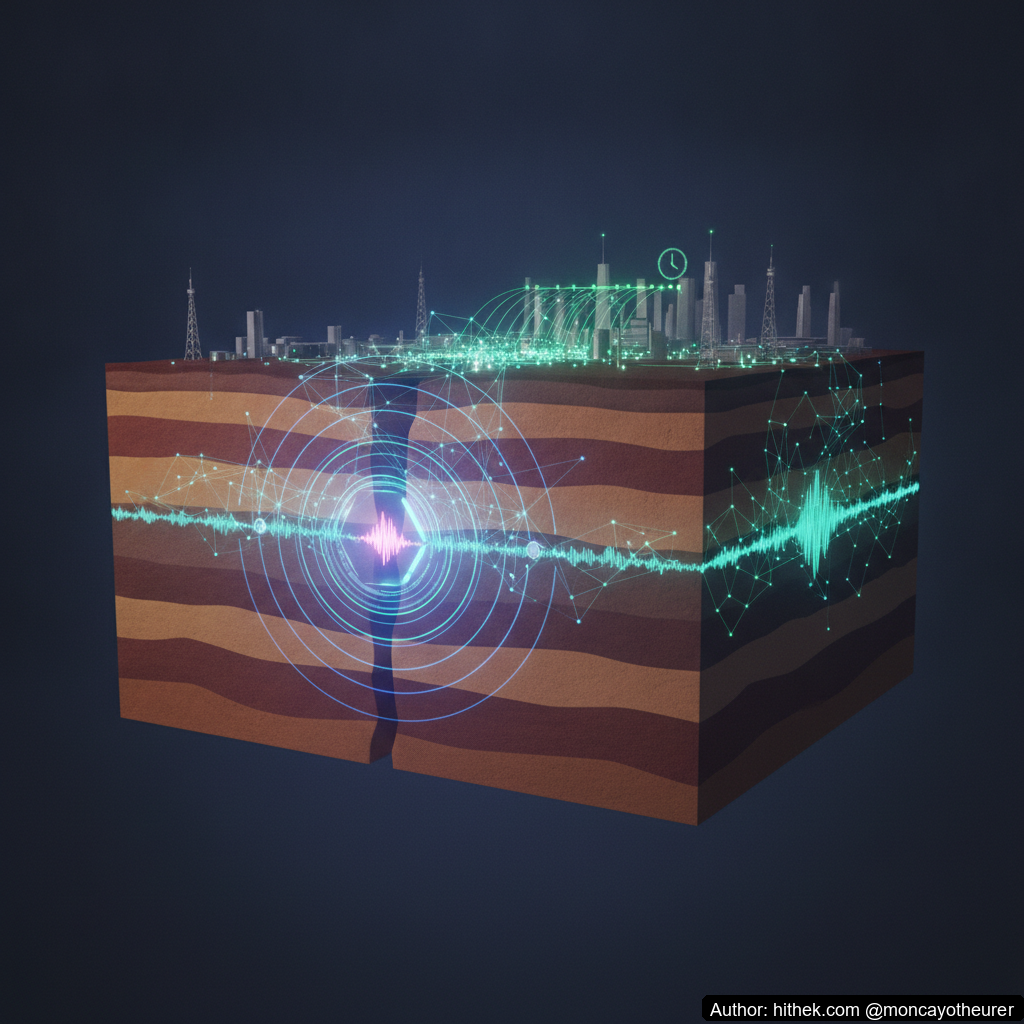
Global geophysics is undergoing a silent revolution thanks to the integration of Artificial Intelligence into seismic monitoring. Today, systems stand out that not only record telluric activity but also learn complex patterns in ground vibration data, crustal deformation, and gravitational anomalies. These advanced models, trained with decades of information, promise to drastically refine our early warning capabilities.

We are not talking about an exact prediction of when or where an earthquake will occur, which remains a distant horizon. Rather, it is about a substantial improvement in real-time risk assessment and the ability to anticipate wave propagation with unprecedented precision. This allows for precious seconds to be gained, activating automatic alerts in critical infrastructure and personal devices.

The benefits are immense: from the automatic stopping of high-speed trains and the closure of gas pipeline valves, to preparing populations in high-risk zones. Technology brings us closer to building urban resilience where science translates into saved lives and reduced economic devastation, transforming our relationship with one of our planet's most potent phenomena.

Source: THEK Research Institute

Self-Healing Materials for a Resilient Future

Self-Healing Materials for a Resilient Future

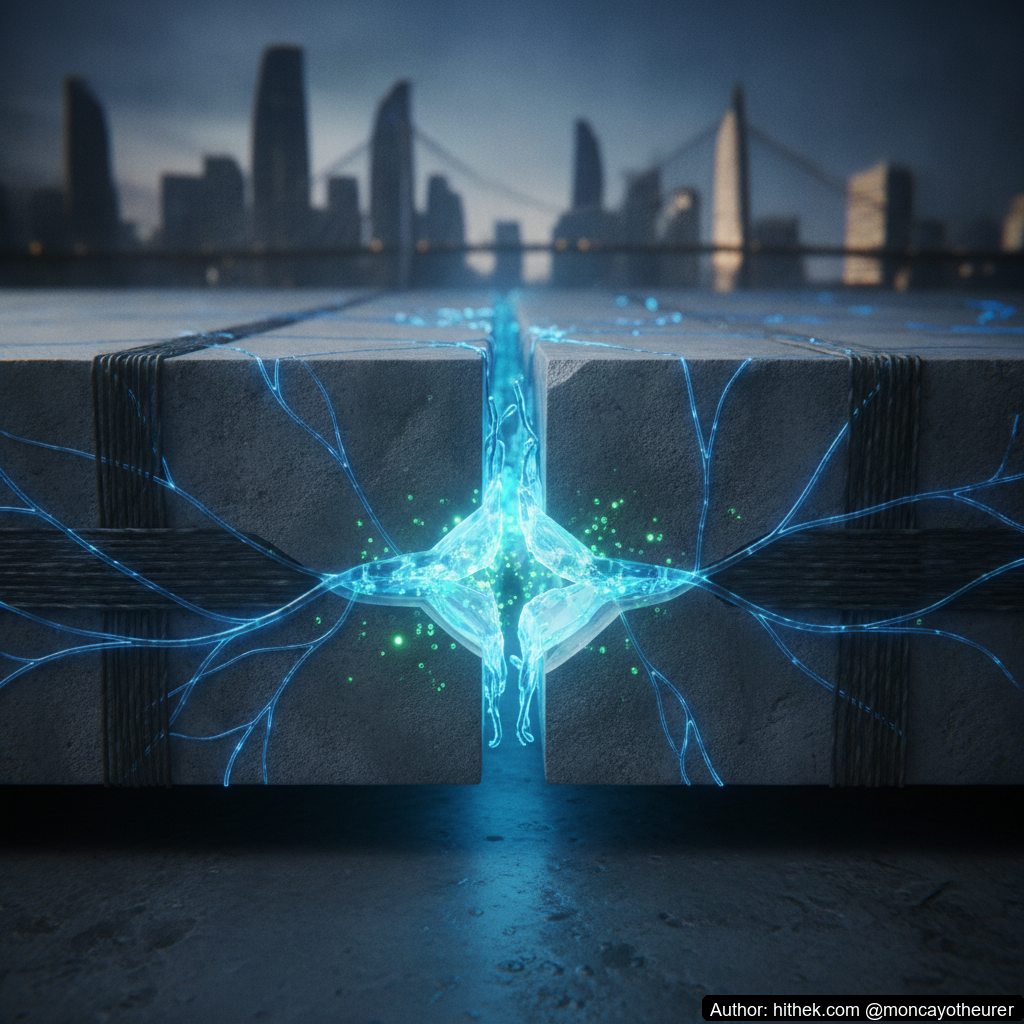
Materials engineering has reached a new frontier with the development of intelligent materials capable of self-repair. Imagine infrastructures that, like biological tissue, can heal their own cracks or minor damage without human intervention. These compounds, often polymeric or cementitious, incorporate microcapsules or capillary networks filled with healing agents that are released when a fissure is detected.

This innovation is not just a scientific curiosity; it represents a fundamental transformation in the lifespan and safety of our buildings and bridges. The drastic reduction in maintenance and repair costs, coupled with increased durability, translates into a more sustainable and efficient model of resilient infrastructure. Furthermore, it minimizes the risks associated with unexpected structural failures.

Initial applications are already envisioned in aeronautical components, protective coatings, and, more ambitiously, in the concrete of vital structures. A material's ability to "heal itself" extends its useful life, decreases resource consumption for replacement, and reduces the carbon footprint of construction. It is a giant leap towards engineering that dialogues with nature's principles for a more robust future.

Source: THEK Research Institute

Unveiling Habitability on Distant Exoplanets

Unveiling Habitability on Distant Exoplanets

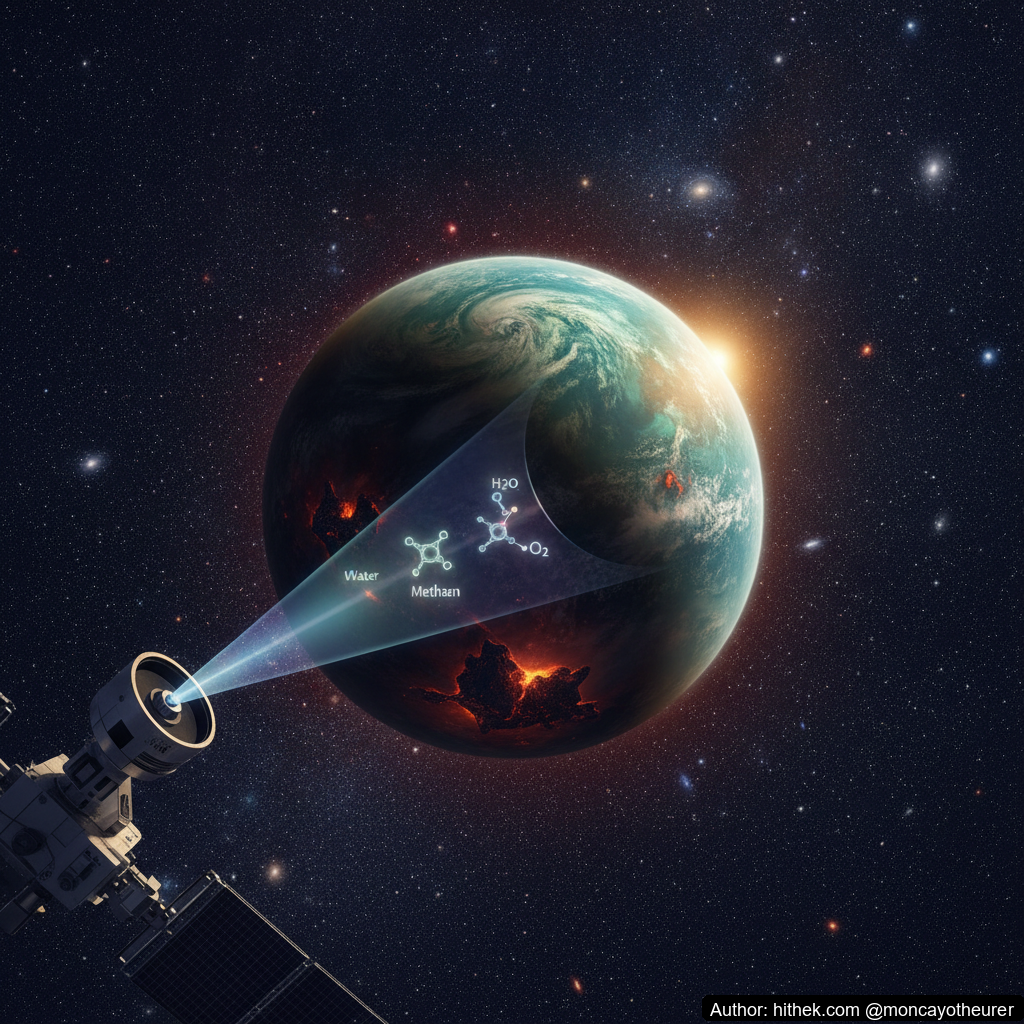
The relentless search for life beyond Earth continues to reveal fascinating data. The latest observations from next-generation space telescopes, such as the JWST and its successor already in development, are providing unprecedented spectroscopic characterizations of nearby exoplanet atmospheres. These analyses not only confirm the presence of water but are beginning to detect chemical combinations that could be considered potential biosignatures.

While we are still far from direct confirmation of life, the ability to more precisely discern the atmospheric composition and surface conditions of these distant worlds brings us closer to understanding the real parameters of planetary habitability. Recent data on "super-Earths" and "mini-Neptunes" in habitable zones are redefining our expectations about where and how life might arise.

This work not only expands our cosmological knowledge but also drives the development of increasingly sophisticated astronomical instrumentation and more powerful data processing algorithms. Every discovery, no matter how small, helps us contextualize our own existence and the rarity (or ubiquity) of life in the universe—a fundamental pillar for the education and scientific inspiration of future generations.

Source: THEK Research Institute

The Promise of Nuclear Fusion: Towards Limitless Energy

The Promise of Nuclear Fusion: Towards Limitless Energy

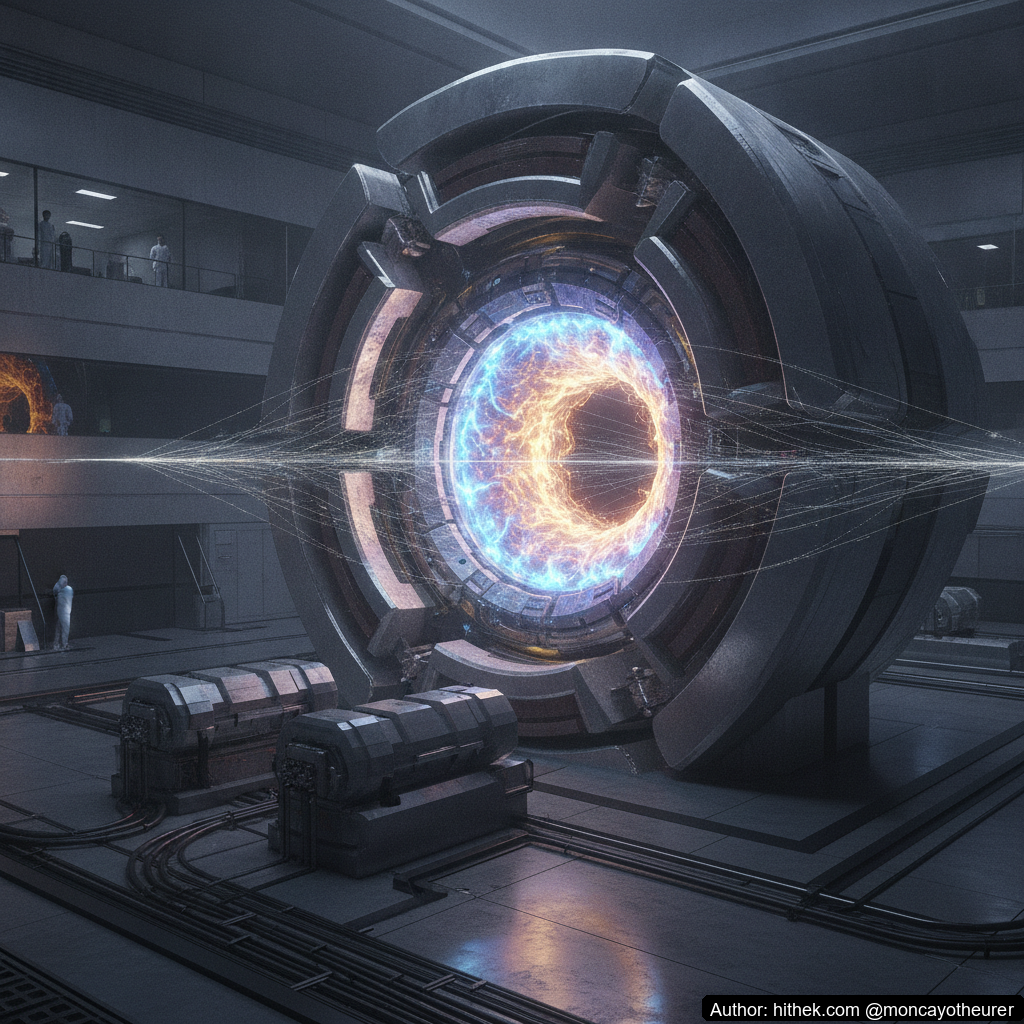
The dream of clean, limitless energy, by replicating stellar processes on Earth, is closer than it has ever been. Advances in nuclear fusion research, particularly in magnetic confinement projects like ITER and various private initiatives, show constant and encouraging progress towards commercial viability. Recent tests have managed to sustain hydrogen plasmas at record temperatures and densities for increasingly prolonged periods, bringing us closer to the point of net energy gain.

This milestone represents a qualitative leap. We are no longer talking about a laboratory experiment, but about the engineering of systems that can sustain fusion reactions in a controlled and efficient manner. The ability to generate electricity from abundant elements like deuterium, with minimal byproducts and no fusion risks, is the holy grail of clean energy.

The benefits for humanity are transcendental: a virtually inexhaustible energy source that could end reliance on fossil fuels, mitigate climate change, and provide global energy security. Nuclear fusion is not just a scientific feat; it is a promise of prosperity and sustainable development for our planet, radically transforming geopolitics and the energy economy.

Source: THEK Research Institute

The Breadth of Human Inquiry

The Breadth of Human Inquiry

The diverse and profound questions we often ask, from the tangible ambition of human structures to the immaterial essence of matter and the future of intelligence, invite us to reflect on the breadth of the quest for knowledge. In this spirit, we address the core axes of your inquiry:

Engineering compels us to erect imposing structures like the Burj Khalifa, a manifestation of human discipline to transform the environment. They reflect a collective will to reach new heights, a tangible legacy of our civilization. This impulse not only seeks height but also optimization and resilience in every design.

At the Large Hadron Collider (LHC), science seeks the essential. Recent years have focused on exotic particles such as tetraquarks and pentaquarks, revealing the unexpected complexity of the fundamental matter of the cosmos, redefining our understanding of the forces governing the universe.

Research into gain-of-function in viruses and bacteria, though delicate, aims to understand how they acquire new properties. This knowledge, vital for developing vaccines and therapies, demands unwavering ethical responsibility to protect human life and ensure that science serves collective well-being.

Finally, Generative Artificial Intelligence enhances human creativity. By creating original content (text, images), it opens unprecedented frontiers in expression and problem-solving. This technology requires wisdom to direct its impact towards conscious and beneficial progress for society.

THEK Research Institute.

Source: THEK Research Institute

Editorial Notice. This edition is generated through scientific curation, editorial automation, and artificial intelligence under the direction of THEK Research Institute. Each content piece is reviewed before publication.